Water entry
Record the room or area, when it appears, and whether wind direction or rain intensity seems relevant.
Services / Roof repairs and maintenance
Water entry, damaged roof components, flashing concerns and visible wear need to be read in context before repair and maintenance priorities are set.
Melbourne roofing and guttering enquiries by email
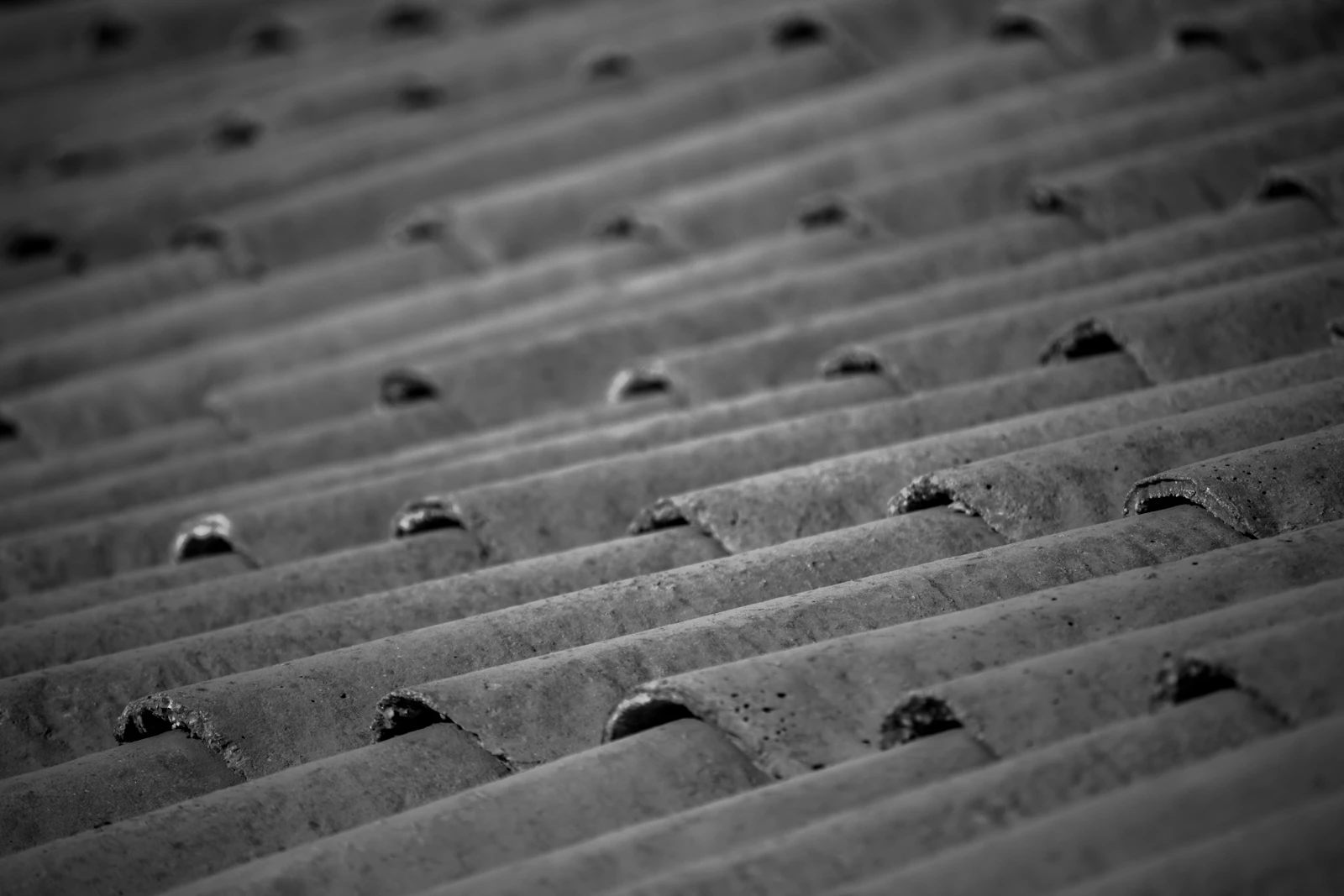
Common signs
A symptom can travel. The visible point inside or below a roof may not sit directly beneath the source.
Record the room or area, when it appears, and whether wind direction or rain intensity seems relevant.
Moved tiles, sheets, cappings or edge pieces can be described with safely taken photographs.
Open, displaced or visibly deteriorated junctions around edges, walls or penetrations may warrant review.
Coating change, corrosion, cracking or accumulated material can help identify areas that need closer attention.

Two different purposes
Repair is directed at a damaged, failed or displaced component and the cause or pathway associated with the concern.
Maintenance is a planned review or care task: keeping drainage paths clear, observing changes and addressing minor deterioration before it becomes a broader issue.
One visit may reveal that the categories overlap, but the proposed work should still distinguish immediate correction from ongoing care.
Inspection and scope flow
The sequence keeps assumptions separate from what the condition actually shows.
Where it appears, when it occurs and how it has changed are more useful than naming an unconfirmed cause.
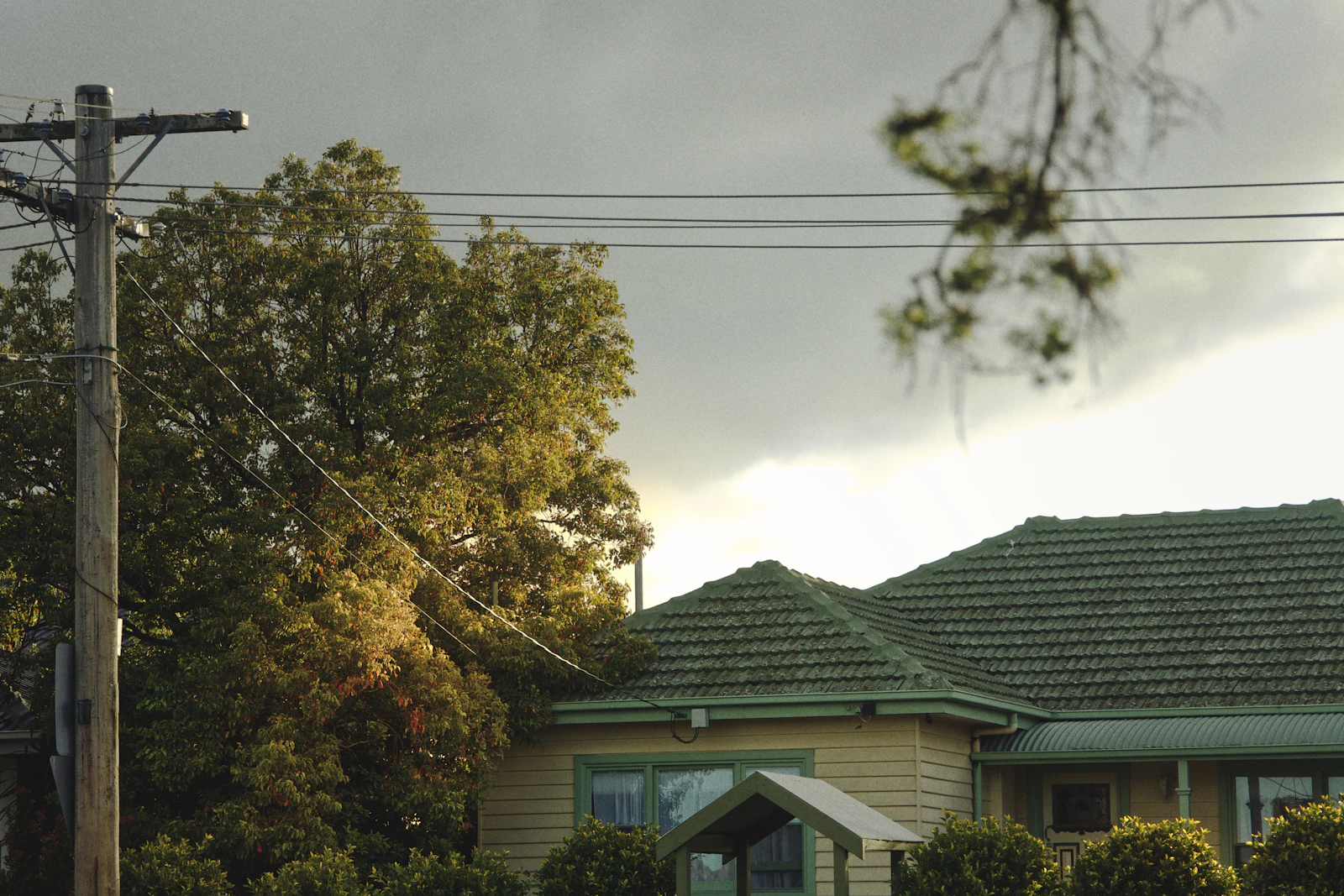
Consider relevant surfaces, flashings, penetrations, valleys, edges and the nearby rainwater path.
A clear scope explains what appears to need correction and what is a separate care recommendation.
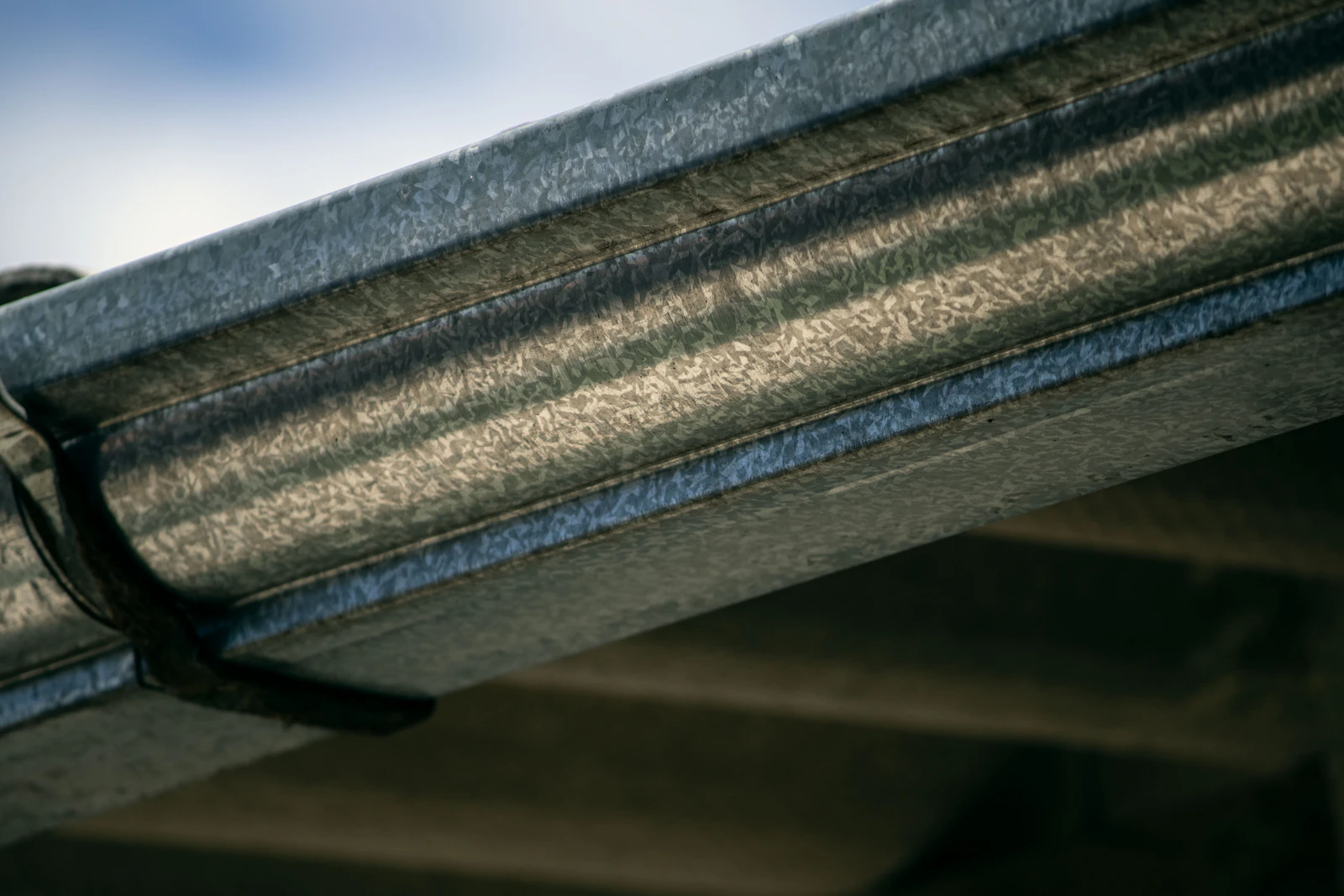
After the defined work, the relevant junctions and water path should be considered as part of the final review.
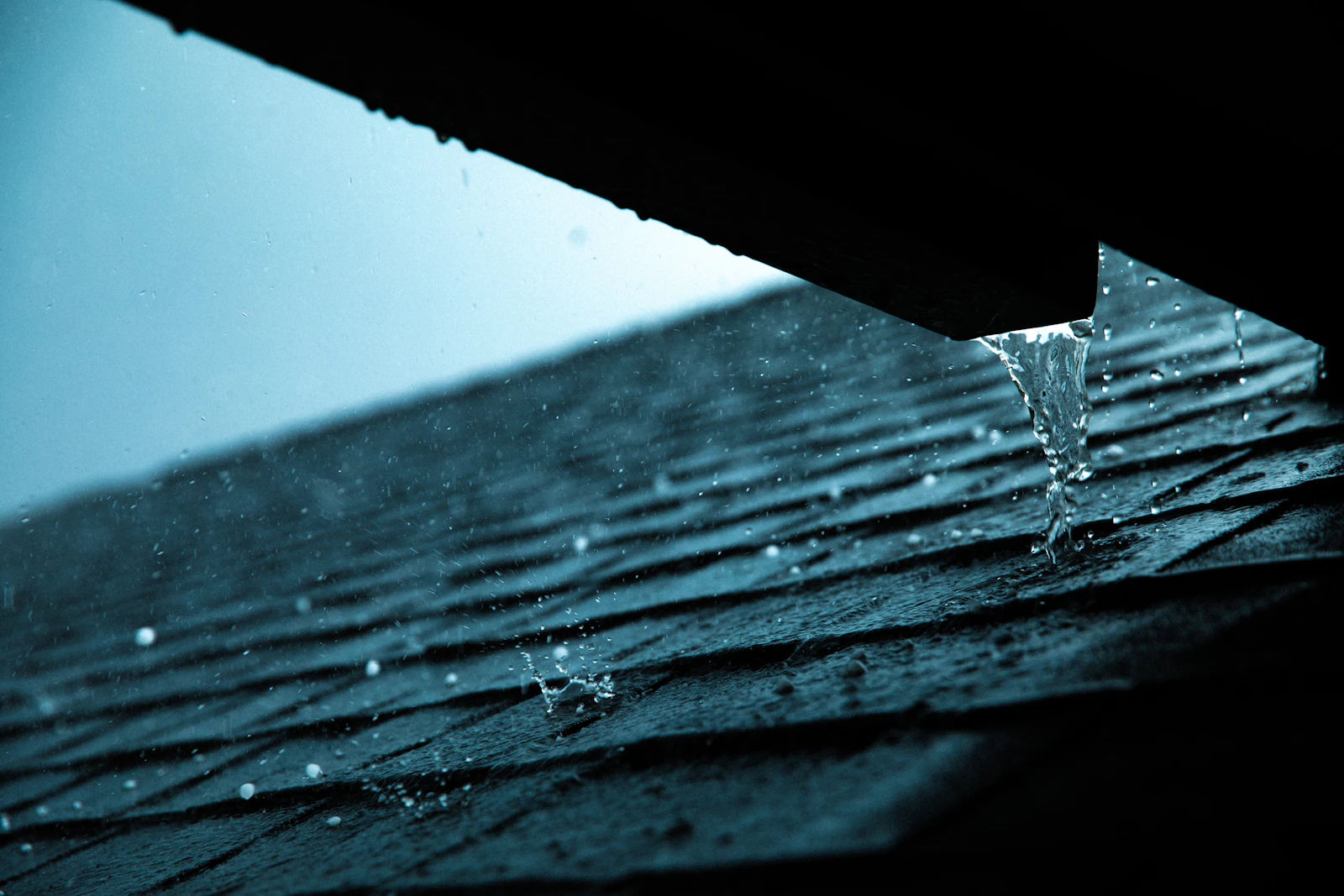
Preventative care
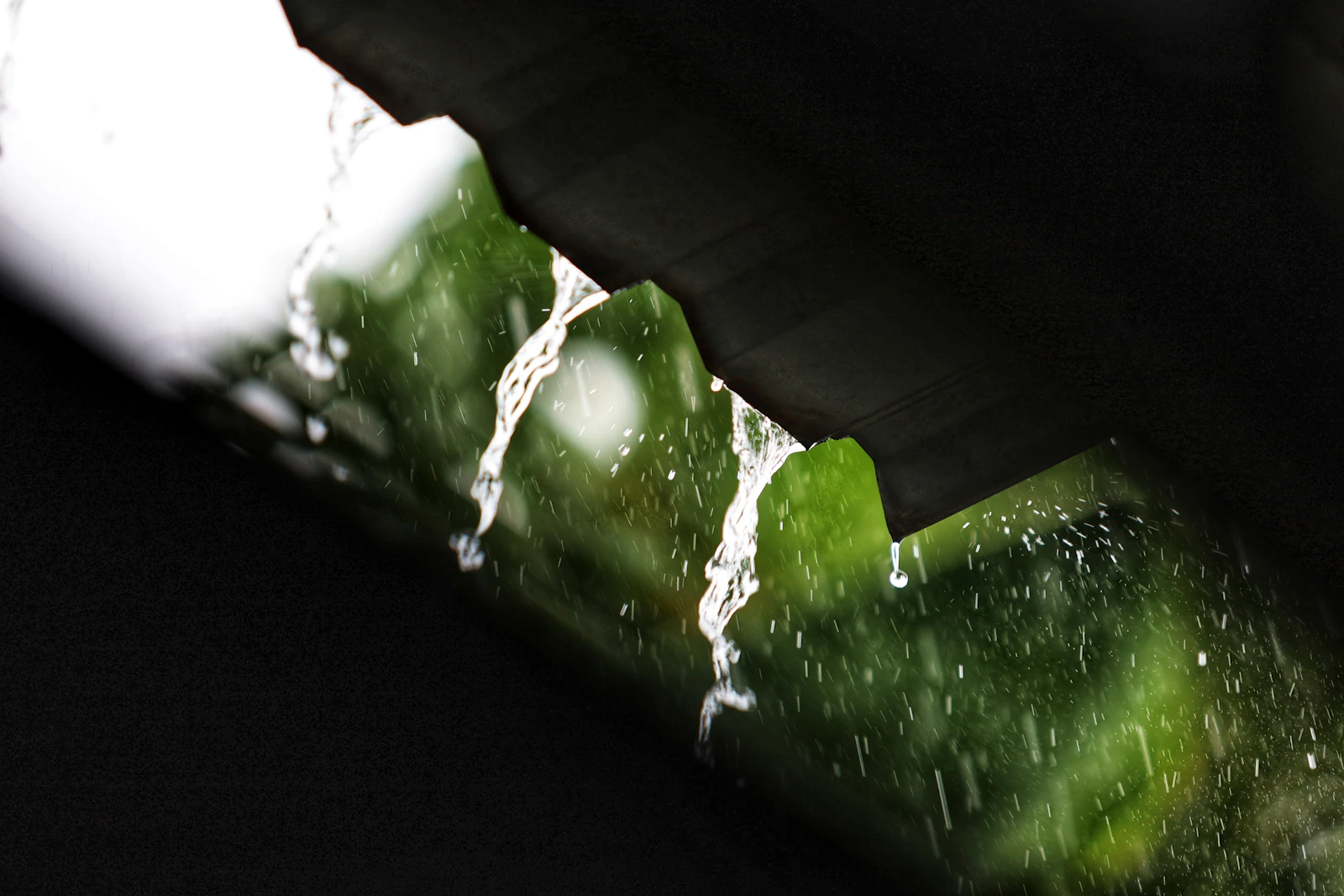
From ground level, look for changed roof lines, displaced components, staining, debris build-up and water leaving an unexpected edge. Indoors, note marks or dampness and the weather that preceded them.
Avoid walking on the roof or improvising access. An email with clear observations and safe photographs is a better starting point.
Questions
Useful distinctions before a condition review.
Not necessarily. Water can move along roof components or internal surfaces before it becomes visible. Share the internal location and any weather pattern you have noticed without assuming the entry point.
No. Use ground-level views, windows or existing photographs only where they can be obtained safely. Describe anything you cannot photograph.
No. Clearing debris is a maintenance activity. If a component is damaged, open or deteriorated, that needs to be considered as a repair issue rather than covered by cleaning alone.
Yes. Overflow, blocked outlets or problems at the roof edge can affect what is observed around eaves and adjacent areas, so include any drainage signs in the same email.
The practical next step
Include the suburb, property type, where the concern appears, when it occurs and any photographs that can be taken safely from ground level.